How to Clean an Air Fryer Without Ruining the Non-Stick Coating
As an Amazon Associate I earn from qualifying purchases. Prices and availability are accurate as of the date/time indicated and are subject to change.
The short answer
If you only want one recommendation: Ninja Air Fryer Pro 4-in-1 Ceramic Basket. Durable nano-ceramic crisper lining that resists thermal peeling when cleaned with warm water soaking and microfiber cloths.
Check price on Amazon →🔍 How this guide was put together (Editorial Standards)
This guide compares options using published manufacturer specifications, patterns in publicly visible owner reviews, and reputable expert sources. We do not operate a physical testing lab; see our how-we-research page for details.
EDITOR'S PICKS
Top Picks
TOP PICK

BEST VALUE
📑 Table of contents
Understanding Non-Stick Coatings in Air Fryers
Air fryers have revolutionized cooking, offering a healthier alternative to deep frying. Most models come with non-stick baskets made from materials like PTFE (Teflon) or ceramic. Understanding these coatings is crucial for proper maintenance.
Types of Non-Stick Coatings
| Coating Type | Material | Temperature Resistance | Durability | Health Ratings |
|---|---|---|---|---|
| PTFE | Polytetrafluoroethylene | Up to 500°F (260°C) | Moderate | Generally safe, but concerns at high temperatures |
| Ceramic | Silica-based | Up to 450°F (232°C) | High | Free from PTFE, safer at high temperatures |
- PTFE Coating: Commonly used due to its excellent non-stick properties. However, it can degrade if overheated, releasing harmful fumes.
- Ceramic Coating: Increasingly popular, it’s a safer alternative and has better high-temperature stability but may wear faster than PTFE.
Tools and Materials for Safe Cleaning
When it comes to cleaning your air fryer, using the right tools and materials is essential. Here’s a comprehensive list:
Recommended Cleaning Tools
- Soft Sponges: Look for non-abrasive options to prevent scratching.
- Microfiber Cloths: Ideal for wiping down surfaces without leaving lint.
- Soft-Bristled Brushes: Perfect for getting into crevices without damaging the coating.
- Baking Soda: A gentle abrasive that can help with tough stains without scratching.
- White Vinegar: A natural degreaser effective for removing grease buildup.
Cleaning Solutions to Avoid
- Abrasive Scrubbers: Steel wool or rough sponges can easily scratch non-stick surfaces.
- Harsh Chemicals: Bleach or ammonia-based cleaners can damage the coatings and leave harmful residues.
- High-Temperature Water: While warm water is effective, boiling water can warp the basket or degrade its coating.
Step-by-Step Cleaning Process
To clean your air fryer effectively without damaging the non-stick coating, follow this detailed step-by-step guide.
1. Preparation
- Unplug the Air Fryer: Always start by unplugging the device to ensure safety.
- Let It Cool: Allow the air fryer to cool completely before cleaning to prevent burns.
2. Disassemble the Air Fryer
- Remove the basket and tray from the air fryer. These components are usually the most affected by grease buildup.
3. Soak the Components
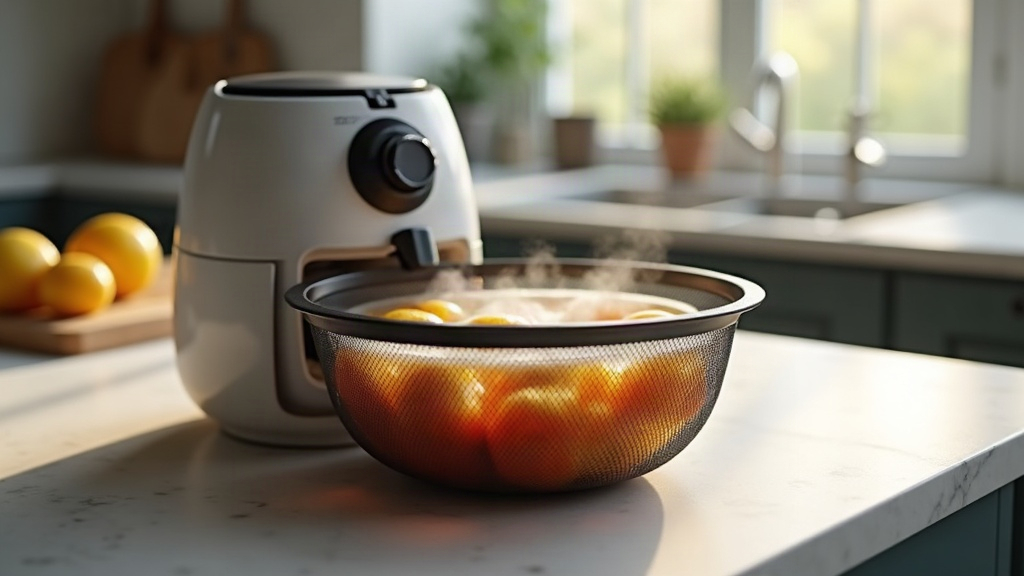
- Fill a sink or basin with warm water and add a few drops of mild dish soap. Submerge the basket and tray for 15-30 minutes. This helps break down grease.
4. Gentle Scrubbing
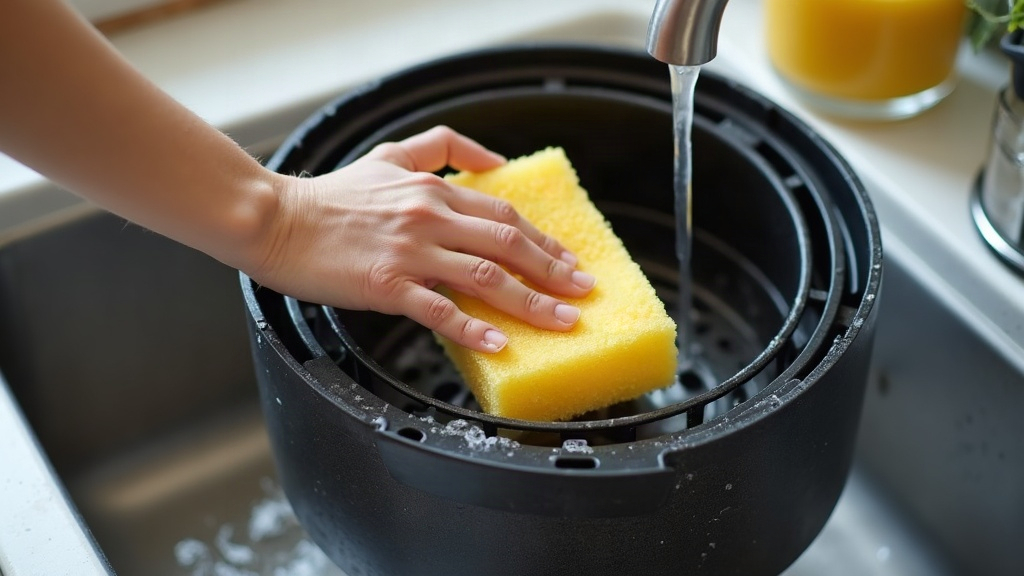
- After soaking, use a soft sponge or a soft-bristled brush to scrub the surfaces gently. For stubborn stains, sprinkle baking soda on the affected area and scrub with a damp sponge.
5. Rinse and Dry
- Rinse the basket and tray thoroughly with warm water to remove all soap and debris. Dry them completely with a microfiber cloth before reassembling.
6. Clean the Interior
- Wipe the interior of the air fryer with a damp microfiber cloth. For stubborn spots, use a mixture of equal parts white vinegar and water.
7. Reassemble and Store
- Once everything is dry, reassemble your air fryer and store it in a dry place.
Preventative Maintenance Tips
Maintaining your air fryer is crucial to prolonging its lifespan and ensuring that the non-stick coating remains intact.
Maintenance Strategies
- Avoid Overcrowding: Overcrowding can trap grease and cause it to bake onto the surfaces. Always follow the recommended food capacity.
- Regular Cleaning: Clean your air fryer after every use to prevent grease buildup.
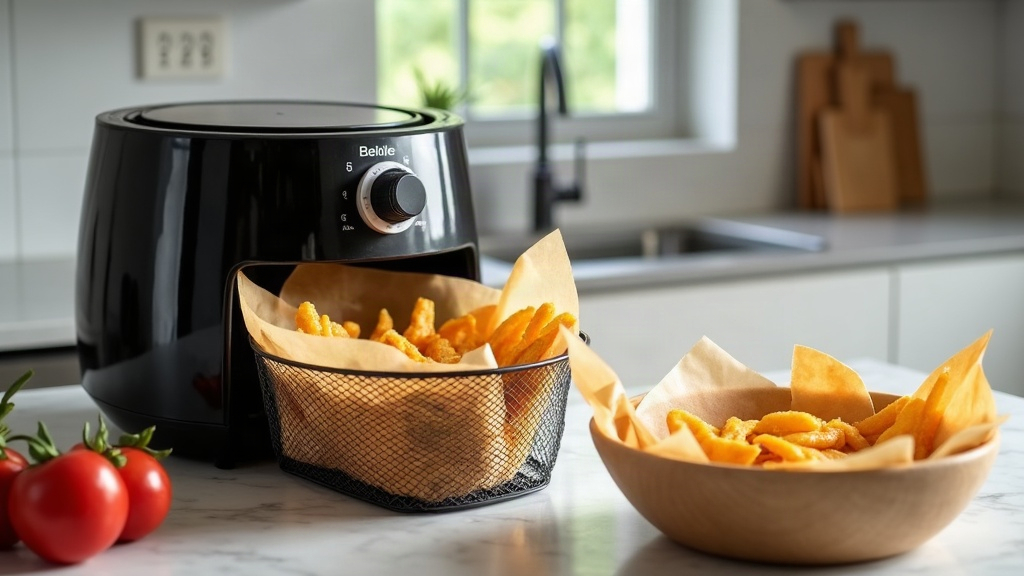
- Use Parchment Paper: Consider using parchment paper in the basket to catch grease and food particles easily.
- Monitor Cooking Temperature: Avoid using temperatures above the manufacturer’s recommendations, especially for PTFE coatings.
Long-Term Maintenance Protocols: Preventing Micro-Abrasion
Maintaining non-stick integrity over hundreds of high-heat cooking cycles requires understanding surface polymer behavior. When cooking fats reach smoke thresholds, microscopic aerosolized oil particles polymerize into a stubborn amber varnish. Attempting to scour this layer with abrasive pads micro-fractures the ceramic or PTFE binder, creating microscopic fissures where food sticks permanently.
Instead of force, rely on chemical saponification. A gentle warm water bath containing mild surfactant dish soap dissolved with one tablespoon of sodium bicarbonate breaks down polymerized fatty acids effortlessly within twenty minutes. Rinse thoroughly with lukewarm water and always pat dry with an untextured microfiber cloth before reinserting the basket into the heating cavity.
Frequently Asked Questions
Q1: Can I use metal utensils in my air fryer?
Using metal utensils can scratch the non-stick coating, especially in PTFE-coated models. Stick to silicone or wooden utensils to protect the surface.
Q2: How often should I clean my air fryer?
For optimal performance, it’s advisable to clean your air fryer after every use. However, a deeper clean can be done weekly, depending on how frequently you use it.
Q3: What should I do if my air fryer’s non-stick coating is peeling?
If you notice peeling, it’s best to stop using the air fryer. Continued use can lead to ingestion of non-stick particles. Contact the manufacturer for warranty options or consider replacing the unit.
For further insights on air fryers, check our interactive tool at Air Fryer Scout Calculator.
By following these guidelines, you can keep your air fryer clean and in excellent condition without compromising its non-stick coating, ensuring that it continues to serve you delicious, healthy meals for years to come.