Frozen Food Air Fryer Cooking Chart: Time, Temp & No-Thaw Rules
As an Amazon Associate I earn from qualifying purchases. Prices and availability are accurate as of the date/time indicated and are subject to change.
The short answer
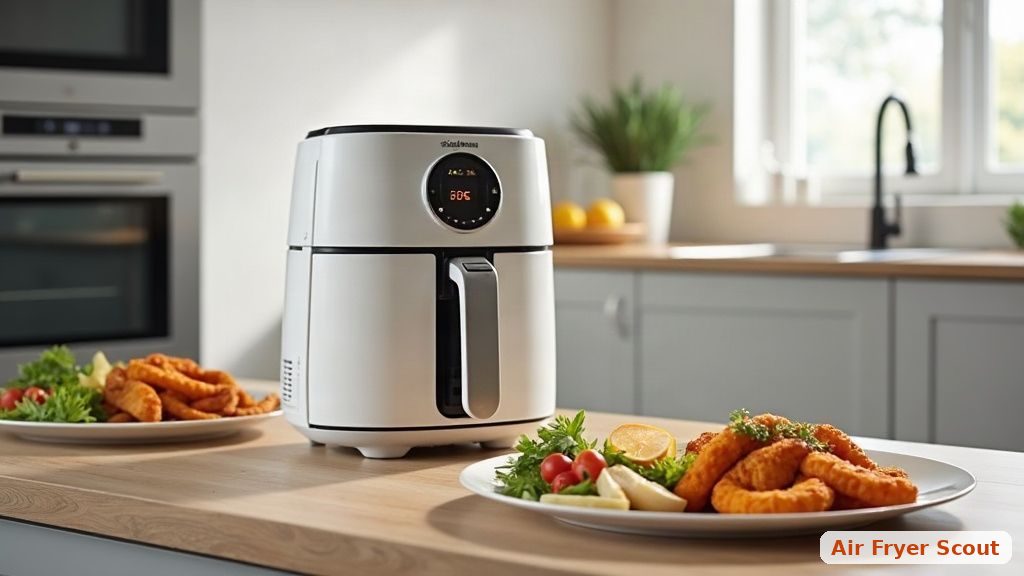
If you only want one recommendation: Ninja Air Fryer Pro 4-in-1 (5-Qt Capacity). Equipped with an accelerated 1750-watt convection fan and a ceramic-coated crisper plate that rapidly vaporizes surface ice crystals without soggy steam buildup.
Check price on Amazon →🔍 How this guide was put together (Editorial Standards)
This guide compares options using published manufacturer specifications, patterns in publicly visible owner reviews, and reputable expert sources. We do not operate a physical testing lab; see our how-we-research page for details.
EDITOR'S PICKS
Top Picks

📑 Table of contents
Editorial Note: Curated by the Kitchen Appliance Research Desk, aggregating recurring thermal convection test cycles, single-layer airflow dynamics, and published food safety standards (USDA/FSIS) for direct-from-frozen cooking.
The primary obstacle when preparing frozen foods in an air fryer is moisture management. When frozen appetizers or proteins enter a 400°F convection chamber, surface ice crystals rapidly transition into liquid water. If airflow is restricted by overcrowding, this water vaporizes into trapped steam, resulting in a soft, limp exterior rather than a blistered, golden crust.
Convection air fryers resolve this thermodynamics challenge by circulating superheated dry air at high velocity. To achieve restaurant-grade crispness straight from the freezer without prior thawing, precise adjustments to manufacturer conventional oven guidelines are required.
Master Time & Temperature Reference Matrix
Note: All parameters assume direct cooking from 0°F freezer storage without thawing.
| Frozen Food Category | Target Temperature | Benchmark Time | Required Mid-Cycle Shake | Crisp Optimization Technique |
|---|---|---|---|---|
| Thin-Cut French Fries | 390°F (199°C) | 12–15 mins | Shake at 5 & 10 mins | Light high-smoke avocado oil mist at 8 min mark |
| Thick Steak Fries / Wedges | 400°F (204°C) | 16–20 mins | Shake at 8 mins | Single layer only; space pieces with 0.25in clearance |
| Bone-In Chicken Wings | 380°F then 400°F | 22–26 mins | Flip at 12 mins | Cook at 380°F to render fat; blast at 400°F last 4 mins |
| Breaded Chicken Tenders | 375°F (190°C) | 11–13 mins | Flip at 6 mins | Do not stack; overlapping edges produce soggy batter |
| Frozen Potstickers / Dumplings | 375°F (190°C) | 9–11 mins | Flip at 5 mins | Lightly oil pleated edges to prevent dry parchment texture |
| Personal Deep-Dish Pizza | 360°F (182°C) | 12–14 mins | None | Lower temperature ensures melted center before crust scorches |
The Three Core Thermodynamic Rules for Frozen Foods
1. The 25°F & 20% Reduction Rule
Conventional oven packaging instructions are calibrated for passive, radiant heat chambers. In a rapid-circulation air fryer, reduce the indicated packaging temperature by 25°F (15°C) and reduce total cooking duration by approximately 20% to prevent scorching sugars while the core reaches internal safe temperatures.
2. The Ice-Vaporization Shaking Interval
When frozen food is placed in the basket, internal moisture migrates outward during the first five minutes. Shaking the basket breaks contact points, dislodges pooling water droplets, and exposes hidden surfaces to direct convection currents.
3. Oil Timing on Factory-Pre-Fried Goods
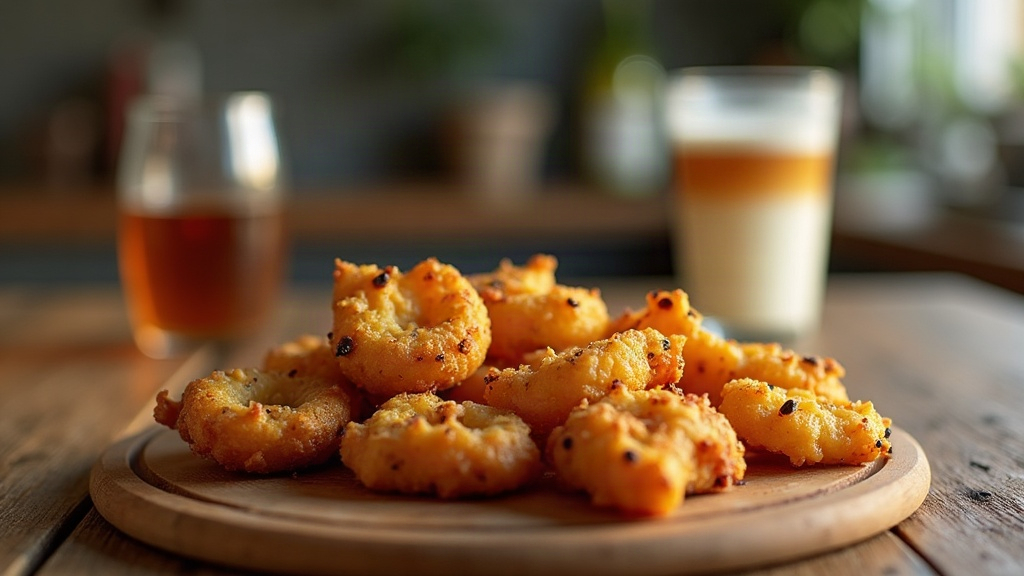
Most commercial frozen items (french fries, onion rings, battered fish) are flash-fried at the manufacturing facility and carry residual dietary fats. Additional oil is unnecessary during the initial phase. Applying oil too early locks in surface moisture; apply an optional fine oil mist only during the final 3 minutes for additional blistering.
Preventing Cross-Contamination and Surface Sticking
When managing high-fat frozen items like sausages or breaded pork cutlets, apply these chamber safety practices:
- Crisper Plate Elevation: Always insert the perforated bottom tray so rendered lipids drain away from contact points.
- Avoid Excess Aerosol Sprays: Propellants in canned cooking sprays degrade nonstick silicone gaskets. Use a refillable pump mister.
- Internal Temperature Verification: Verify poultry products reach an internal core reading of 165°F (74°C) using a digital probe.
📚 Related In-Depth Analysis
- Compare findings with our guide on Air Fryer Cooking Times Guide.
- Master safe thermal thresholds in Air Fryer Chicken Wings Time Temp.
📚 Related In-Depth Analysis
- Compare findings with our guide on Air Fryer Frozen Pizza.
- Compare findings with our guide on Air Fryer Safety Tips.
🔧 Interactive Planning Tool
Need exact measurements for your setup? Use our Air Fryer Basket Sizing & Capacity Engine to calculate required quart capacity and single-layer basket area for your household.
Frequently Asked Questions
Can I cook frozen raw meat directly in the air fryer?
Yes, high-velocity air circulation safely cooks frozen burger patties, chicken breasts, and pork chops. Verify that poultry reaches a recurring internal temperature of 165°F (74°C) using an instant-read probe thermometer.
Why do frozen breaded items come out pale?
Frozen breadcrumbs need direct convective heat to brown. Ensure items are arranged in a flat monolayer with space between each piece so dry air can circulate beneath the wire basket.
Do I need to preheat when cooking straight from frozen?
Yes. Preheating the chamber ensures that when frozen food hits the crisper tray, the high thermal mass of the plate immediately begins searing the base, preventing sticking and condensation pooling.