Air Fryer vs Deep Fryer (2026): Taste, Health, Cost, and Which to Actually Buy
As an Amazon Associate I earn from qualifying purchases. Prices and availability are accurate as of the date/time indicated and are subject to change.
🔍 How this guide was put together (Editorial Standards)
This guide compares options using published manufacturer specifications, patterns in publicly visible owner reviews, and reputable expert sources. We do not operate a physical testing lab; see our how-we-research page for details.
EDITOR'S PICKS
Top Picks


📑 Table of contents
Air fryers are marketed as a deep-fryer replacement. They’re close for many foods, but not identical — and the honest answer to “which should I buy?” depends on how important authentic deep-fried texture is to you versus everything else (health, cost, cleanup, safety). This guide walks through each factor fairly so you don’t buy the wrong one.
The short version
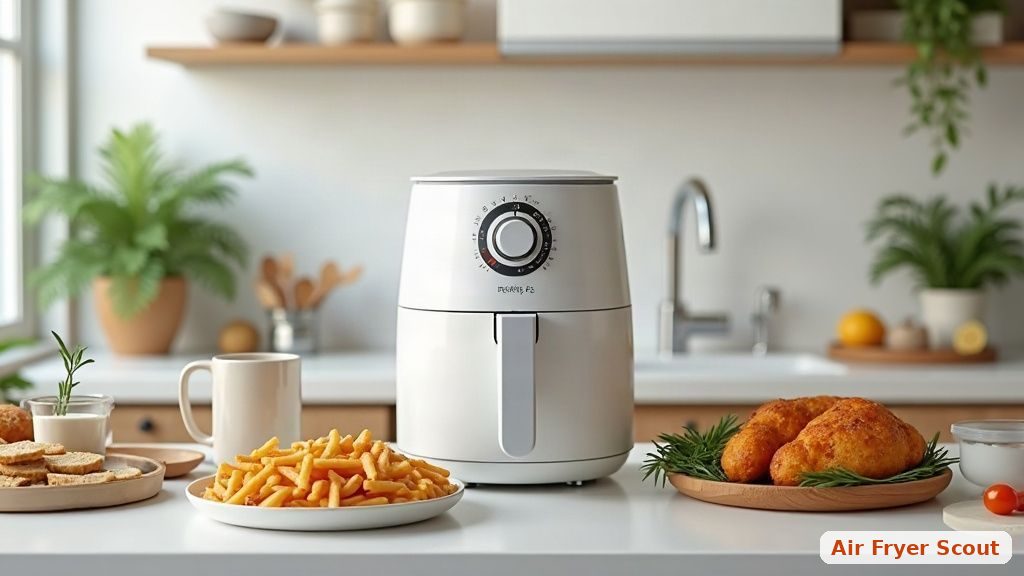
- Air fryer wins on: health (far less oil), safety, cleanup, cost of operation, kitchen smell.
- Deep fryer wins on: authentic texture for wet-battered foods, doughnuts, restaurant-style results.
- For most home cooks, an air fryer covers ~85% of “fried food” cravings at a fraction of the mess and oil.
Taste and texture
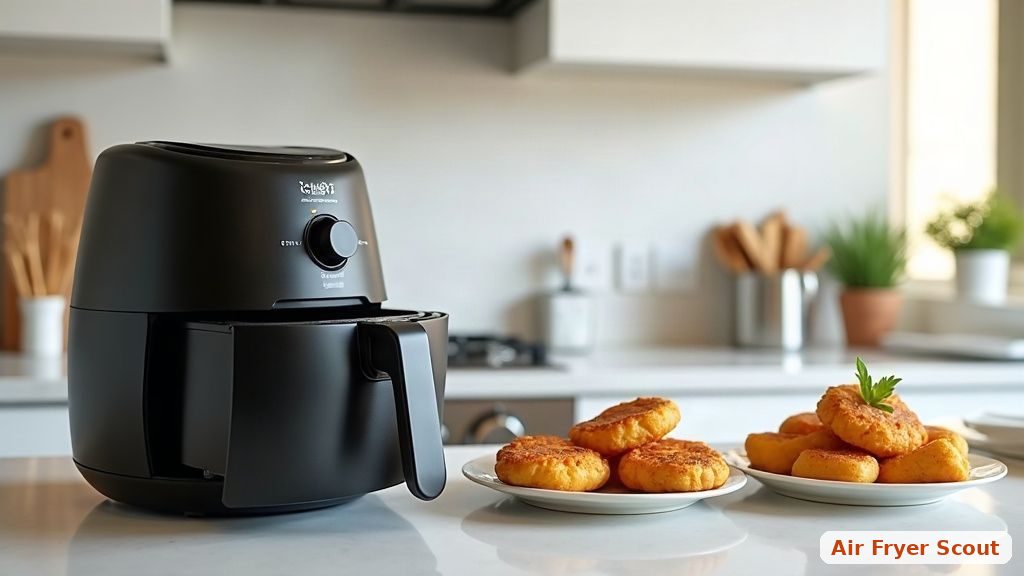
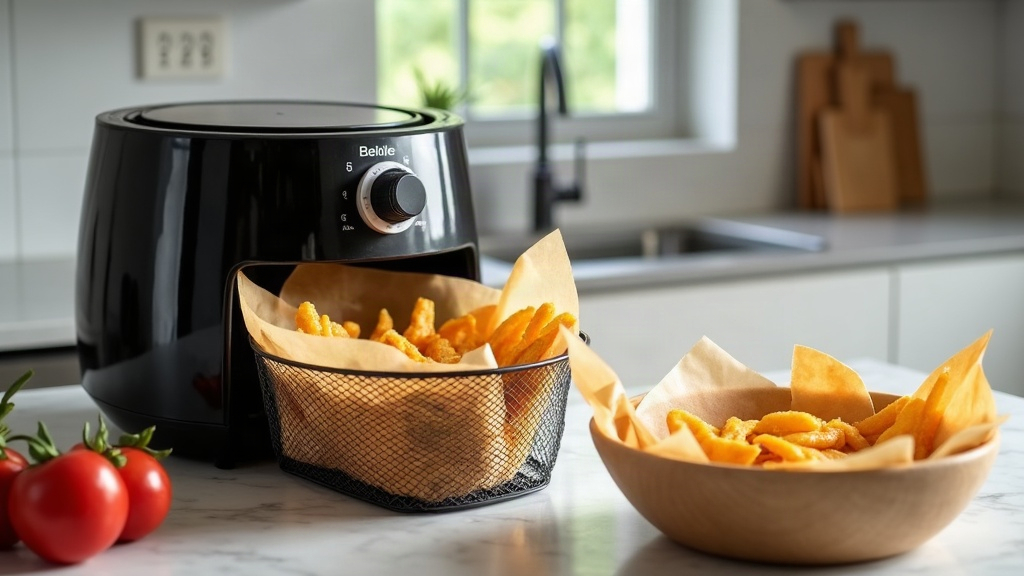
Deep frying produces a specific result — an even, bubbly crust and richness that comes from cooking fully immersed in oil. Air frying gets you 80-90% of the crisp on foods like fries, wings, chicken nuggets, and frozen snacks, but with a drier, lighter finish.
Where deep frying still wins genuinely:
- Wet-battered foods (traditional fish and chips, tempura)
- Doughnuts and yeast-raised fried dough
- Deep-fried whole items (whole fish, whole chicken)
Where air frying is genuinely equivalent or better:
- Frozen convenience foods (fries, nuggets, spring rolls)
- Wings (some argue air fryer is BETTER — crispier skin)
- Reheated fried leftovers (much better than deep frying)
- Roasted vegetables (deep fryer can’t do this well)
Health comparison
The clearest win for air fryer.
- Deep fryer: food absorbs 8-25% of the frying oil. A serving of deep- fried fries adds ~15g of fat from oil.
- Air fryer: typically 1-2 teaspoons of oil per batch. Same fries add ~2-3g fat from oil.
For anyone watching fat/calorie intake, that’s a meaningful difference at every meal. Over a year of weekly fried foods, air fryer users consume significantly less added oil.
Cost of operation
- Air fryer: minimal ongoing cost — a bottle of oil lasts months.
- Deep fryer: significant oil cost. A home deep fryer holds 2-4L of oil, needs full replacement every 8-12 uses (~$8-15 per refill). Plus disposal hassle.
- Electricity: roughly similar per cook.
Over a year of regular use, deep fryer operation costs $100-300 more in oil alone.
Safety comparison
Air fryer wins decisively:
- No hot oil to handle — deep fryers hold 2-4 kg of near-boiling oil, which is a real burn and fire risk if spilled or splashed.
- No oil vapours — deep fryer oil breaks down into aerosols you inhale.
- No fire risk from oil-on-element (a genuine deep-fryer hazard).
- Enclosed cooking chamber — air fryer contains splatter; deep fryer splatters aggressively.
Kitchen fires from home deep frying are a real category. Air-fryer fires are extremely rare (usually grease-on-element in dirty units — see our safety guide).
Cleanup + storage
- Air fryer: one basket, one drip tray, warm soapy water.
- Deep fryer: oil disposal (never down the drain), oil-splashed surroundings, greasy interior, filter maintenance, storage issues (oil spills in cupboards).
Air fryer cleanup is a fraction of the effort.
Kitchen smell
Deep frying leaves a lingering fried-oil smell that permeates fabrics and persists for days. Air frying produces almost no lingering smell (the sealed basket contains most cooking odours).
Cost of the appliance
- Basic home deep fryer: $50-100.
- Family air fryer: $80-150.
Deep fryer is cheaper upfront but far more expensive to operate.
The decision framework
Buy an air fryer if:
- You cook fried-style food regularly (weekly or more) and want to reduce oil use.
- You value easy cleanup and safety.
- You have limited counter/storage space.
- Most of your “fried” cooking is convenience frozen foods, wings, or reheating.
Keep or buy a deep fryer only if:
- Authentic deep-fried texture (battered fish, doughnuts) is a frequent priority.
- You cook large single items (whole chicken, whole fish).
- You’re a fried-food enthusiast who wants restaurant-style results at home.
For most kitchens, air fryer covers the majority of fried-food use at a fraction of the mess, oil, and risk.
What deep-fryer owners miss when they switch to air fryer
Being honest — a few things you WILL lose moving from deep to air:
- Bubbly crust on wet-battered foods (unfixable without breadcrumb substitution).
- Doughnut-style raised, oily crumb (need real deep fry).
- The specific richness oil-cooked food has (subtle but real).
For 80% of home cooks, these losses don’t outweigh the wins. For enthusiasts, they might.
Can you have both?
Yes — some home cooks keep a deep fryer for occasional projects (doughnuts at Christmas, fish and chips once a month) and use an air fryer daily. Storage becomes the constraint; deep fryers with removable pots store more easily.
Summary table
| Factor | Air Fryer | Deep Fryer |
|---|---|---|
| Best texture | 80-90% of deep-fried | Full authentic |
| Health | Much less oil | Significant oil absorption |
| Cost to operate | Very low | High (oil replacement) |
| Cleanup | Easy (one basket) | Difficult (oil disposal) |
| Safety | Enclosed, low fire risk | Hot oil = burn/fire risk |
| Speed | Fast (2-3 min preheat) | Slower (heat oil) |
| Kitchen smell | Minimal | Significant + persistent |
| Best for | Everyday fried-style | Occasional authentic projects |
📚 Related In-Depth Analysis
- Compare findings with our guide on Self Cleaning Air Fryer.
- Compare findings with our guide on Air Fryer Vs Toaster Oven.
📚 Related In-Depth Analysis
- Compare findings with our guide on Air Fryer Reheating Guide.
- Compare findings with our guide on What To Cook In Air Fryer First.
🔧 Interactive Planning Tool
Need exact measurements for your setup? Use our Air Fryer Basket Sizing & Capacity Engine to Calculate required quart capacity and single-layer basket area for your household.
Frequently asked questions
Are air-fried fries as good as deep-fried? For frozen fries — yes, most people can’t tell blind. For fresh cut fries with a proper double-fry technique — deep fryer still wins slightly.
Can I make doughnuts in an air fryer? Yeast doughnuts don’t work well (need oil for the raise). Cake doughnuts and doughnut-hole substitutes work OK.
Which is safer for kids to be around? Air fryer — no exposed hot oil. Both need supervision.
Which costs less to run? Air fryer, by a lot — mainly because deep fryer oil needs frequent replacement.
Which do restaurants use? Commercial deep fryers dominate restaurants for volume and texture; air fryers are more common in home and small-cafe settings.
Related: best air fryer for family · air fryer vs toaster oven · safety tips
Related: Are air fryers healthy